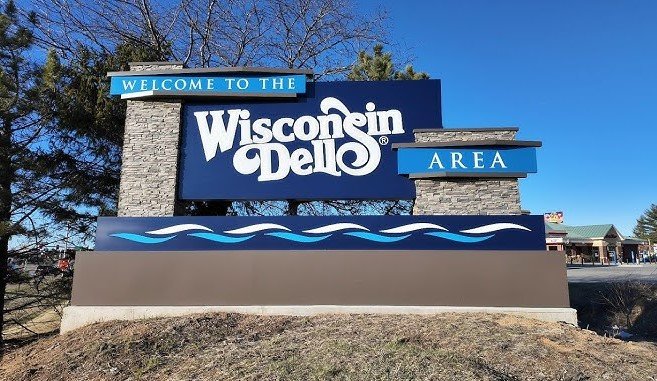

The Complete Guide to the Sign Project Process: From Concept to Installation
Whether you're opening a new storefront, rebranding an existing business, or adding wayfinding signage to a commercial property, understanding the sign project process from start to finish can mean the difference between a seamless experience and costly delays. Custom signage represents one of the most visible investments your business will make—it works around the clock to attract customers, reinforce your brand identity, and communicate essential information to visitors.
This comprehensive guide breaks down each stage of a professional sign project, helping you understand timelines, costs, and what to expect at every step. Armed with this knowledge, you'll be better prepared to collaborate with your sign company and achieve results that exceed your expectations.
Initial Sign Consultation and Quote Process
Every successful sign project begins with a thorough consultation. This initial conversation establishes the foundation for your entire project—it's where your vision meets practical expertise. During this phase, a sign professional will gather critical information about your business goals, location requirements, budget parameters, and aesthetic preferences.
The consultation process typically involves discussing your branding guidelines (if available), evaluating site conditions, and exploring different sign types that might work for your specific situation. Don't worry if you're unsure exactly what you want—experienced sign consultants are skilled at asking the right questions to help clarify your needs.
Sign Quote Options Explained
Phone or Virtual Consultation
Ideal for straightforward projects where dimensions and site conditions are already known. Many simple sign projects—such as vinyl graphics, basic channel letters, or replacement signs—can be accurately quoted over the phone or via video call.
- Quick turnaround (often same-day)
- Basic project assessment
- Preliminary pricing guidance
- Best for simple, well-defined projects
Physical Site Survey
For complex installations, illuminated signs, monument signs, or any project where site conditions significantly impact design and installation, an in-person site survey is essential. A trained professional will visit your location to take precise measurements, assess structural requirements, evaluate electrical availability, and identify potential installation challenges.
Good news: Survey fees are typically credited toward your project when you proceed with the work. This means the survey is essentially free if you move forward.
- Within 65 miles: $75 (credited to project)
- 65–150 miles: Up to $200 (credited to project)
- Precise measurements and documentation
- Electrical and structural assessment
- Material and mounting recommendations
Sign Project Planning Phase
Once you've received and accepted a quote, the project planning phase begins. This stage lays the groundwork for a smooth manufacturing and installation process. Rushing through planning often leads to delays, change orders, and unexpected costs down the road—so it pays to be thorough.
Understanding Zoning and Sign Regulations
Sign regulations vary dramatically from one municipality to another, and even between different zoning districts within the same city. These ordinances control nearly every aspect of commercial signage, including maximum size, height restrictions, illumination rules, placement requirements, and even the colors and materials you can use.
Common zoning restrictions you might encounter include maximum square footage for sign faces, setback requirements from property lines and roadways, prohibitions on certain sign types (like pole signs or digital displays), limits on the number of signs per business, and rules about animation or flashing lights.
Sign Permit Processing
Most commercial signs require permits before installation. The permitting process typically takes 2–6 weeks, though some jurisdictions may take longer. A reputable sign company will handle permit applications on your behalf, including preparing required documentation and engineering calculations.
Permit fees vary by location and sign type, typically ranging from $50 to several hundred dollars.
Sign Material Selection
Choosing the right materials depends on your environment, budget, and desired longevity. Coastal locations require corrosion-resistant materials, while extreme temperature zones need materials that withstand thermal expansion. Your sign consultant will recommend appropriate options based on your specific conditions.
Common sign materials include aluminum, acrylic, HDU foam, PVC, and various metals.
Landlord and HOA Approval for Signage
If you're leasing your space, you'll likely need landlord approval before installing signage. Many commercial leases include specific clauses about sign placement, size, and style to maintain visual consistency across the property. Similarly, if your business is located in an area governed by a Homeowners Association or Business Improvement District, their approval may be required.
Start this approval process early—it can sometimes take as long as the permit process itself. Your sign company can provide renderings and specifications to help expedite landlord or HOA approval.
Sign Design Services and Options
Great signage starts with great design. Whether you're working from an established brand identity or building something from scratch, the sign design phase shapes everything that follows. Different projects call for different levels of design involvement, and most sign companies offer tiered service options to match various budgets and complexity levels.
What Makes Effective Sign Design?
Effective signage balances visibility, readability, and brand expression. A sign that looks beautiful up close but becomes illegible from the street fails its primary purpose. Skilled sign designers understand how viewing distance, angle, lighting conditions, and surrounding visual clutter affect readability. They also know how to translate brand identities into three-dimensional form while working within manufacturing and budgetary constraints.
Overseas Design Team
For businesses working with tighter budgets or those with straightforward design needs, overseas design teams offer a cost-effective solution. These teams are particularly well-suited for projects where you have clear direction and existing brand guidelines—they excel at execution when given specific parameters.
- Fixed project pricing
- 48–72 hour typical turnaround
- Unlimited revision rounds
- Best for defined projects
In-House Sign Design Team
In-house designers offer the advantage of direct communication and local market knowledge. They understand regional preferences, can visit your site if needed, and are available for real-time collaboration. This option works well for projects requiring more back-and-forth or those with evolving requirements.
- $75–95 per hour
- Direct communication
- Quick revision turnaround
- Local market expertise
US-Based Senior Sign Designers
For complex branding projects, multi-location rollouts, or businesses seeking distinctive signage that serves as a competitive advantage, senior US-based designers bring advanced expertise. These professionals often have backgrounds in architecture, industrial design, or brand strategy, enabling them to approach signage as part of a larger visual ecosystem.
- Premium service tier
- Advanced creative expertise
- Complex project capability
- Full brand development
The Sign Design Approval Process
Once initial concepts are presented, you'll have the opportunity to request revisions. Be as specific as possible with feedback—rather than saying "I don't like it," try to articulate what specifically isn't working and why. Comments like "the font feels too casual for our professional services firm" or "we need the logo more prominent relative to the text" give designers clear direction.
Most sign design projects go through 2–3 revision rounds before reaching final approval. At that point, you'll typically sign off on a final proof that specifies exact colors, dimensions, materials, and placement. This proof becomes the manufacturing blueprint, so review it carefully before approving.
Sign Manufacturing and Fabrication Process
With design approved and permits in hand, your sign enters production. Modern sign manufacturing blends traditional craftsmanship with advanced technology—computer-controlled routers cut precise shapes while skilled fabricators hand-finish details that machines can't replicate. Understanding this process helps set realistic expectations about timelines and costs.
Material Preparation
Production begins with preparing raw materials. Aluminum sheets are cut to size, acrylic is machined, and steel frames are welded. Surface preparation is critical—materials must be clean, properly primed, and ready to accept paint, vinyl, or other finishes.
Printing and Sign Fabrication
This is where your sign takes shape. CNC routers carve precise letter forms, wide-format printers produce vibrant graphics, and welders construct structural supports. For illuminated signs, electrical components are assembled and wired. Each element is manufactured according to the specifications from your approved proof.
Quality Control and Inspection
Before any sign leaves the shop, it undergoes thorough inspection. Technicians verify color accuracy against approved samples, test all electrical connections for illuminated signs, and examine structural integrity. Any imperfections are corrected before the sign is cleared for installation.
Professional Sign Installation Process
Professional sign installation is just as important as quality manufacturing. A beautifully crafted sign installed poorly won't last and can even create liability issues. Experienced installation crews understand proper mounting techniques, weight distribution, electrical codes, and the countless variables that affect a successful installation.
Weather Conditions
Certain installations can't proceed in adverse weather. Adhesive applications require specific temperature ranges (typically 50°F–90°F). High winds make crane work unsafe. Rain prevents proper surface preparation and paint curing.
- Temperature requirements vary by material
- Wind speeds above 25 mph halt most work
- Rain delays exterior installations
Site Preparation
Before the crew arrives, ensure clear access to the installation area. Move vehicles, unlock gates, and coordinate with building management if necessary. For electrical signs, confirm power is available at the installation point.
- Clear vehicle and equipment access
- Confirm electrical availability
- Coordinate building access
Equipment Needs
Installation equipment varies based on sign size and mounting height. Simple installations may require only ladders and basic tools. Larger signs need boom lifts, bucket trucks, or even cranes for high-rise installations.
- Lift equipment for elevated signs
- Specialized mounting hardware
- Safety equipment required
What to Expect on Sign Installation Day
Installation crews typically arrive with all necessary equipment and materials. They'll begin by verifying measurements and mounting points, then proceed with the actual installation. Throughout the process, they should protect your property from damage and clean up thoroughly when finished.
For illuminated signs, expect a separate electrical inspection after installation. Many jurisdictions require a licensed electrician to make the final power connection and obtain an electrical permit. Once the sign is lit and inspected, your project is complete.
Sign Installation Duration by Type
Window graphics / vinyl 1–4 hours
Flat panel signs 2–4 hours
Channel letters 4–8 hours
Monument signs 1–2 days
Pylon / pole signs 1–3 days
Large-scale projects 3–5 days
Sign Project Payment and Financing Information
Professional sign companies understand that signage represents a significant investment, particularly for small businesses. Most offer flexible payment options to help you manage cash flow while getting the custom signage your business needs.
Accepted Payment Methods
- Cash and personal/business checks
- All major credit cards
- ACH and bank wire transfers
- Klarna financing (pay over time)
Typical Payment Structure
For custom sign projects exceeding $1,000, most sign companies require a deposit to begin work. This deposit covers material costs and reserves production time in the schedule.
Balance due upon installation or delivery. Some companies offer net-30 terms for established commercial accounts.
Sign Project Timeline Expectations
One of the most common questions clients ask is "how long will my sign project take?" The honest answer is: it depends. Simple projects can be completed in a week; complex ones may take three months or more. Here's a breakdown of typical timeframes for each phase of the sign project process.
| Project Phase | Typical Duration |
|---|---|
| Initial Consultation | 1–2 days |
| Design Phase | 3–7 days |
| Permit Processing | 2–6 weeks |
| Manufacturing | 1–4 weeks |
| Installation | 1–5 days |
Planning Ahead: Common Sign Project Timeline Scenarios
Simple vinyl graphics, window lettering, or A-frame signs with no permit required
Standard wall-mounted signs, panel replacements, or basic dimensional letters
Illuminated channel letters, monument signs, or projects requiring engineering
Large pylon signs, multi-tenant directories, or complex architectural signage
Tips for a Successful Custom Sign Project
After working on thousands of sign projects, we've noticed patterns that separate smooth projects from problematic ones. Following these recommendations will help ensure your project stays on track and produces results you'll love.
Gather Inspiration Early
Collect photos of signs you admire—and signs you dislike. Both help your designer understand your aesthetic preferences and save time in the design phase.
Consider Viewing Distance
Think about where customers will see your sign from. Highway signage needs to be readable at 65 mph; a boutique storefront serves pedestrians. Design accordingly.
Plan for Nighttime Visibility
If your business operates after dark, consider illumination. A sign invisible at night is working only half the time. Options include internal lighting, external spotlights, or backlit elements.
Account for Weather and Climate
Your local climate affects material choices. Coastal salt air, desert sun, or freeze-thaw cycles each require different materials and construction methods for longevity.
Research Sign Regulations First
Before falling in love with a specific design, check local sign ordinances. Nothing's worse than designing the perfect sign only to learn it violates zoning codes.
Build in Buffer Time
If you have a hard deadline (grand opening, etc.), add 2–3 weeks of buffer. Permits can delay, weather can postpone installation, and materials can back-order.
The success of any sign project lies in thorough planning, clear communication, and attention to detail throughout every phase of the process. When clients and sign professionals work as partners rather than vendor and customer, the results speak for themselves.
— Sarah Thompson, Sign Industry Expert
Frequently Asked Questions About Sign Projects
Here are answers to the most common questions business owners ask when starting a custom sign project.
How much does a custom business sign cost?
Do I need a permit to install a business sign?
How long does the entire sign project process take?
What's the difference between channel letters and dimensional letters?
Can I install a business sign myself?
What file format do I need for my logo to make a sign?
Sign Industry Glossary
Understanding common sign industry terminology helps you communicate effectively with your sign company. Here are key terms you'll encounter during your project.
- Channel Letters
- Three-dimensional letters typically made of aluminum with acrylic faces, often illuminated from within. Common for storefronts and building identification.
- Monument Sign
- A freestanding sign with a low profile, typically mounted on a solid base at ground level. Often used for business parks, churches, and residential communities.
- Pylon Sign
- A tall freestanding sign supported by one or more poles, designed for visibility from a distance. Common along highways and in shopping centers.
- Raceway
- A metal enclosure that houses wiring and mounting hardware for channel letters, allowing for cleaner installation on building facades.
- HDU (High-Density Urethane)
- A versatile sign material that can be carved into three-dimensional shapes. Lighter than wood, doesn't rot, and takes paint well.
- Dimensional Letters
- Non-illuminated 3D letters made from various materials (acrylic, metal, foam, PVC). Adds depth and visual interest to signage.
- Face-lit
- Illuminated letters where light shines through the front face. The most common type of channel letter illumination.
- Halo-lit (Reverse-lit)
- Illuminated letters where light shines backward, creating a glowing halo effect against the mounting surface. Creates an elegant, upscale appearance.